Palestine Action Ban to Be Reviewed by Supreme Court

The UK's Supreme Court has agreed to review the controversial decision to proscribe protest group Palestine Action under terrorism legislation.
The decision represents a significant legal challenge to the Home Office and could have major implications for how terrorism laws are used in cases involving politically motivated criminal damage and protest activity.
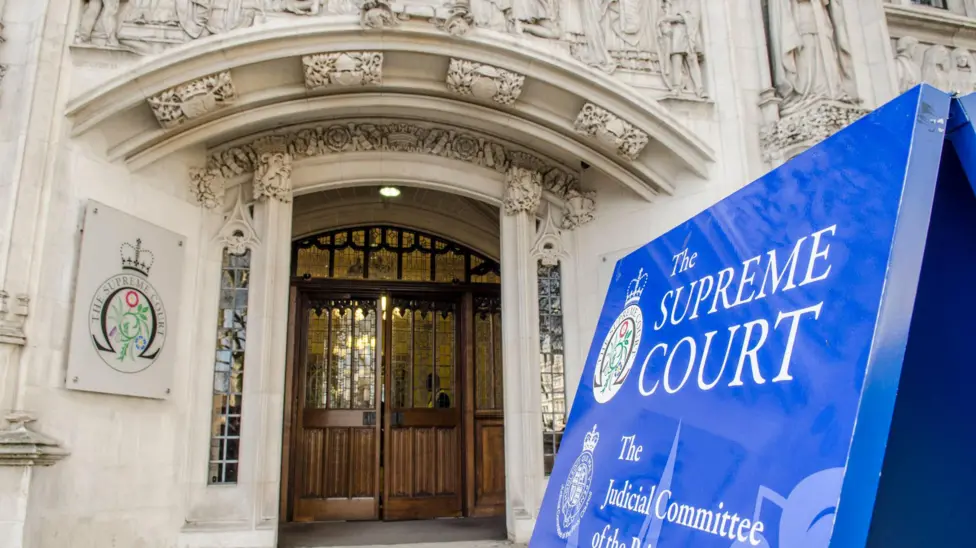
The Supreme Court confirmed on Thursday that it had granted permission to appeal to Palestine Action co-founder Huda Ammori, who has argued that the ban breaches human rights.
The full reasons for the appeal have not yet been published, but the case is expected to focus on arguments surrounding freedom of expression and the right to protest.
The Supreme Court has said the case will be expedited, meaning the hearing is expected to take place after the summer break.
How Did the Ban Come About?
Palestine Action was officially proscribed under UK terrorism legislation in July 2025.
The group had been targeted by the government following a series of break-ins and acts of criminal damage involving Elbit, an Israeli-owned defence company.
The former Home Secretary Yvette Cooper made the decision to proscribe the organisation following advice from police and security officials.
Under UK terrorism legislation, proscription allows the government to ban organisations considered to be involved in serious violence or serious criminal damage carried out for an ideological cause.
The legislation also gives police additional powers to investigate and prosecute individuals accused of organising activities or providing support and fundraising for a proscribed organisation.
Legal Battle Reaches the Supreme Court
The legal challenge has already passed through the High Court and Court of Appeal.
The High Court initially ruled that the proscription of Palestine Action was unlawful.
However, that decision was later overturned by the Court of Appeal, where five judges unanimously ruled that the Home Secretary had acted lawfully and within her legal powers when proscribing the organisation.
The Supreme Court will now review that Court of Appeal decision.
The eventual ruling could have significant consequences for the UK's terrorism legislation and the government's ability to use proscription powers against groups accused of politically motivated criminal damage.
Protests and Arrests
The Supreme Court's decision comes amid continued protests surrounding the ban.
More than 2,000 people are reportedly facing potential prosecution after demonstrations in which participants allegedly expressed support for Palestine Action, which is now a proscribed organisation.
On Thursday, 117 protesters were arrested outside Westminster Magistrates' Court.
The Metropolitan Police said the majority of those arrested were suspected of expressing support for the group.
The protesters had gathered because they believed they were due to appear in court over allegations that they had shown support for Palestine Action at previous public demonstrations.
However, the cases had reportedly been listed in error, with both the court and police informing many of the defendants that they did not need to attend.
Huda Ammori Welcomes Supreme Court Appeal
Palestine Action co-founder Huda Ammori welcomed the Supreme Court's decision to hear her appeal.
She said the group would continue its legal challenge and, if necessary, take the case to the European Court of Human Rights.
Ammori has argued that the proscription represents an extreme restriction on freedom of speech and the right to protest.
Supporters of the legal challenge argue that the government has gone too far by using terrorism legislation against a protest organisation.
Government Defends the Ban
The Home Office has repeatedly stated that the proscription of Palestine Action is not connected to peaceful protests or wider support for Palestinian causes.
The government argues that the ban was necessary because the group was responsible for significant criminal damage against legitimate businesses.
Both the High Court and Court of Appeal have recognised that activities associated with Palestine Action included criminal acts.
However, the courts have differed over whether those activities justified the use of terrorism legislation to proscribe the organisation.
What Happens Next?
The Supreme Court's decision to hear the appeal means the legal battle over Palestine Action's proscription will continue.
The case is expected to be heard after the summer break, with the Supreme Court's eventual ruling potentially setting an important precedent for future cases involving terrorism legislation, political protest and serious criminal damage.
Until the Supreme Court reaches its decision, the proscription remains in force.
The case is likely to attract significant attention from politicians, human rights organisations, police forces and campaigners on both sides of the debate.



Comments