Drought Declared Across Entire Wales as Dry Conditions Continue to Deteriorate

A drought has officially been declared across the whole of Wales as prolonged dry weather and high temperatures continue to put increasing pressure on the country's natural environment.
Natural Resources Wales (NRW) has extended its drought declaration nationwide, warning that conditions across the country's rivers, wildlife and landscapes are continuing to deteriorate.
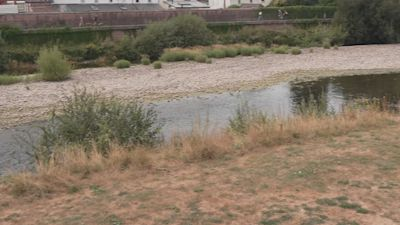
The declaration follows record-low river levels, exceptionally dry soils, widespread wildfire risks and growing impacts on wildlife, farming and forestry.
NRW had already declared drought conditions across northern Wales and parts of mid Wales last week. The latest announcement means the drought status now covers the entire country.
Wales on Course for Driest July on Record
Wales is currently experiencing what could become its driest July in around 190 years.
NRW figures show that Wales has received just 8% of its long-term average rainfall for July.
Most rivers across the country are described as being at "exceptionally low" levels, while groundwater supplies are also falling, with some areas recording levels significantly lower than would normally be expected at this time of year.
The environmental agency said it was receiving reports of widespread impacts across Wales.
These include drying riverbeds, fish struggling in low water levels, increased algae growth, rising wildfire risks and concerns from farmers about crop growth, grazing conditions and water supplies for livestock.
Wildfire Risk Grows
The prolonged dry weather has also contributed to a number of wildfires across Wales in recent weeks.
Earlier this month, a major fire in the Rhinogydd mountains in Gwynedd became so extensive that it could reportedly be seen from space.
A firefighting helicopter was deployed to help tackle the blaze.
Residents were also evacuated from their homes following a wildfire close to Conwy Mountain. Witnesses described hearing the fire moving down the mountain, with one resident comparing the sound to "popcorn".
The continuing combination of dry vegetation, parched land and high temperatures has increased concerns about further fires during the summer.
Public Urged to Use Water Wisely
NRW said the drought declaration would lead to increased monitoring of rivers and stronger advice encouraging the public to use water responsibly.
However, the agency stressed that the declaration does not currently mean that homes and businesses across Wales are facing a threat to their water supplies.
Welsh water companies have said reservoir levels remain relatively healthy following a wet start to the year.
Nevertheless, NRW is warning that the situation could become more challenging if significant rainfall does not arrive.
Rhian Thomas, from Natural Resources Wales, said the effects of the dry weather were already "clear to see".
She said NRW teams were closely monitoring weather forecasts and river flows.
"With no strong indications for notable rainfall in the forecasts, and risks of further heatwaves over the summer, it's more important than ever that we all use water wisely," she said.
"Every drop we waste is less water for our rivers and wildlife when they need it the most."
What Does a Drought Mean?
A drought occurs when a prolonged lack of rainfall, often combined with high temperatures, places severe stress on the natural environment.
Environmental drought conditions can develop before serious agricultural problems or public water shortages occur.
The impacts can include:
Shrinking rivers: Lower water levels can reduce oxygen concentrations, increase water temperatures and restrict the movement of species such as salmon.
Loss of habitats: Drying riverbeds can lead to biodiversity loss and fish deaths.
Pressure on private water supplies: Natural springs and private boreholes can dry up.
Wildlife impacts: Fish, plants and other species can struggle as water levels fall.
Increased wildfire risk: Dry vegetation and parched soils create conditions in which fires can spread rapidly.
When environmental drought conditions are identified, Natural Resources Wales can move affected areas into a "prolonged dry weather" status.
This can result in enhanced monitoring of waterways, restrictions on certain water abstraction licences to protect river flows and the release of additional water from reservoirs into rivers.
Wales Faces a Summer of Uncertainty
The nationwide drought declaration highlights the growing pressure that Wales' natural environment is facing after weeks of exceptionally dry and warm conditions.
While water supplies for homes and businesses are not currently considered to be under immediate threat, the impact on rivers, wildlife, agriculture and forests is becoming increasingly visible.
With further heatwaves possible and no strong signs of significant rainfall in the immediate forecast, authorities are urging people across Wales to avoid wasting water and to consider the impact that their everyday use can have on the environment.



Comments