Jeffrey Archer: Best-Selling Novelist, Disgraced Politician and Convicted Perjurer


Jeffrey Archer lived a life that could have been written by Jeffrey Archer.
Best-selling novelist. Conservative politician. Millionaire. Peer of the realm. Convicted perjurer. Prisoner.
Few British public figures experienced such spectacular highs and dramatic falls — and fewer still managed to rebuild their careers after them.
Archer, who has died aged 86, leaves behind a complicated legacy. He became one of Britain's most commercially successful novelists while simultaneously becoming one of its most controversial political figures.
His extraordinary drive took him from a modest upbringing in Somerset to Parliament, the House of Lords and literary wealth. But his political ambitions were ultimately destroyed by the deception that led to his conviction for perjury and perverting the course of justice.
From Somerset to Westminster
Jeffrey Howard Archer was born in north London on 15 April 1940. His family soon moved to Weston-super-Mare, where his mother, Lola, became the first woman journalist on the Weston Mercury.
Archer's academic career was unremarkable. He left school with three O-levels and drifted through a series of jobs and training opportunities before studying at Oxford, where he became a successful athlete and won a Blue.
Oxford also introduced him to the political and social circles that would shape his future.
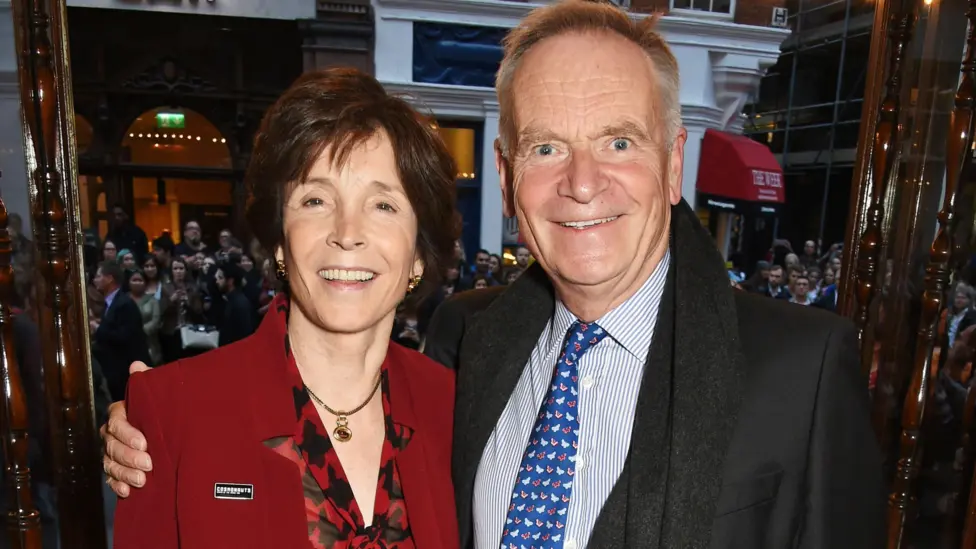
He married Mary Weeden, who remained his wife throughout his life.
Archer's public profile grew rapidly. He became a Conservative councillor before winning the Louth by-election in 1969, entering Parliament at the age of 29.

The first fall
His political career was cut short by financial disaster.
In 1974, Archer invested heavily in a Canadian company which claimed to have developed technology to reduce carbon emissions. The company proved to be fraudulent.
Having borrowed heavily to finance the investment, Archer faced bankruptcy and was forced to leave Parliament.
But failure did not end his ambitions.
It redirected them.
In 1976, he published Not a Penny More, Not a Penny Less.
The novel was a commercial success, followed by Kane and Abel and First Among Equals.
The books transformed Archer's fortunes and made him one of Britain's best-selling authors.

The novelist becomes a millionaire
Archer's literary success brought enormous wealth.
He bought the Old Vicarage at Grantchester and a luxury London penthouse, while his parties attracted politicians, celebrities and members of the establishment.
But politics remained part of his identity.
In 1985, Margaret Thatcher appointed him Deputy Chairman of the Conservative Party, responsible for fundraising.
The position lasted only a year.
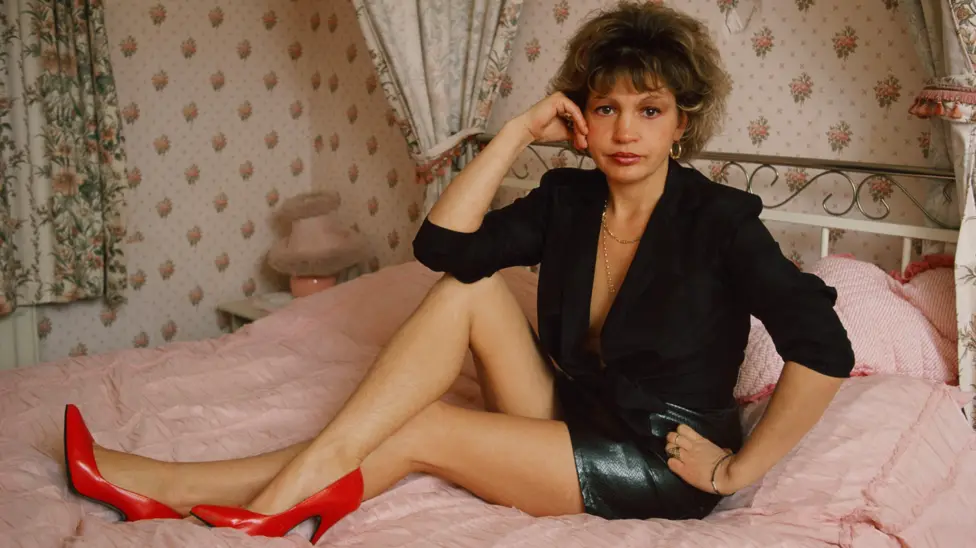
In 1986, Archer became embroiled in allegations concerning sex worker Monica Coghlan. He denied the allegations and sued the Daily Star for libel.
He won the case and received £500,000 in damages.
For the moment, Archer had survived another scandal.

The political comeback
In 1992, Conservative Prime Minister John Major gave Archer a life peerage, recognising his charitable work connected with Kurdish people facing persecution.
But controversy followed him into the House of Lords.
An investigation into share dealing connected to Anglia Television cleared Archer of insider dealing, but his political reputation continued to suffer.
Then, in 1999, came the scandal that ended his political career for good.
Archer had been selected as the Conservative candidate for Mayor of London.
The campaign collapsed after former friend Ted Francis alleged that Archer had lied under oath during the 1987 libel case.
Archer resigned as the Conservative candidate.
This time, there would be no political comeback.

The conviction
In 2000, Archer was charged with perjury and perverting the course of justice.
At his 2001 trial, prosecutors argued that he had lied under oath and fabricated evidence connected with the earlier libel case.
The jury convicted him.
Archer was sentenced to four years in prison.
He served time at HMP Belmarsh and HMP Wayland, later turning his experiences behind bars into My Prison Diary, a three-volume account of prison life.
He served roughly half his sentence before being released.
His conviction permanently changed his public reputation.

But the books continued
Remarkably, his literary career survived.
Archer continued to publish novels for decades, including the Clifton Chronicles and the William Warwick series.
Critics were often dismissive of his prose, but millions of readers continued to buy his books.
That was Archer's particular talent.
He understood how to construct a story that demanded another page.
Ambition. Wealth. Betrayal. Revenge. Downfall.
The themes were familiar — and, at times, uncomfortably close to his own life.
His final year
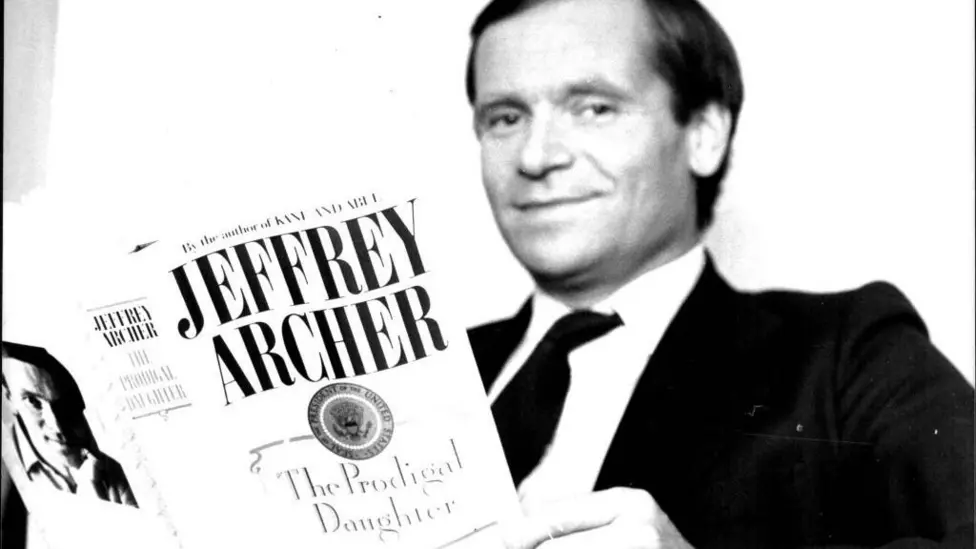
In January 2026, Archer announced that his forthcoming novel, Adam and Eve, would be his last.
He continued promoting the book into his final months.
In September 2026, speaking to BBC Breakfast, the 86-year-old described the ambition of completing his final novel as being like wanting to win Olympic gold in the last 100 metres of his career.
It was a fitting description of a man who had spent his life refusing to slow down.
Archer died later in 2026, aged 86.
A life of extraordinary contradictions
Jeffrey Archer's legacy is difficult to separate from its contradictions.
He was a hugely successful novelist whose books sold around the world.
He was also a politician whose career ended in disgrace.
He became a member of the House of Lords and remained there until his formal retirement in 2024.
He accumulated enormous wealth but spent years defending a public image that repeatedly came under attack.
He survived financial ruin, political scandal and imprisonment — and each time rebuilt some part of his life.
But the greatest damage to his reputation was self-inflicted.
Archer understood better than most how to create dramatic stories of ambition and downfall.
His own life contained both.
He wrote about people who wanted everything.
He became one of them.
And in the end, his extraordinary success as a novelist could never completely overshadow the conviction that changed how Britain remembered him.


Comments