US Unveils Sanctions Against International Criminal Court in Move Condemned as an ‘Assault on the Rule of Law’

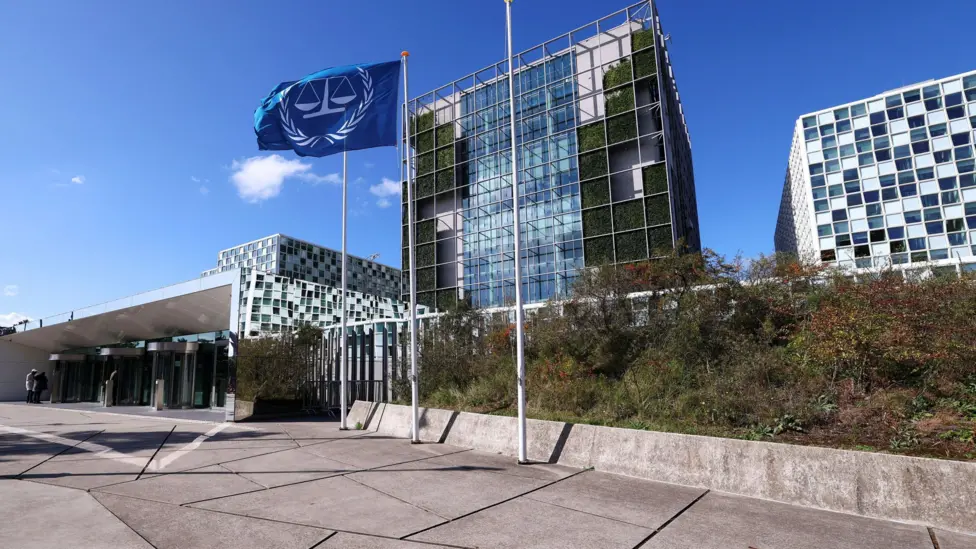
The United States has unveiled sanctions targeting the ICC as an institution, in a move Washington says is intended to protect American sovereignty. The court has condemned the decision as an assault on the rule of law and the foundations of the international legal order.
US Secretary of State Marco Rubio announced the measures on Friday, 9 October 2026, saying the administration would not allow the court to threaten or prosecute American citizens.
The sanctions include restrictions on US entities providing goods and services to the ICC, including banking and software. Washington says the measures are designed to prevent the court from operating in ways it considers contrary to US interests.
The ICC, based in The Hague in the Netherlands, said it would not be deterred from carrying out its responsibilities.
Washington Escalates Its Dispute With the Court
The latest announcement marks a significant escalation in the Trump administration's campaign against the ICC. The United States has already sanctioned 17 judges and officials associated with the court, but the new measures target the institution itself.
Rubio accused the ICC of pursuing Americans and undermining US sovereignty. He also called on American allies that are members of the court to address Washington's concerns.
He said the administration had delayed implementing the measures in the hope that the ICC and its member states would negotiate a solution.
Some of the sanctions will have a six-month grace period, allowing time for discussions with countries seeking to maintain the court's operations.
The Trump administration has been particularly critical of the ICC's investigation into alleged crimes involving US personnel in Afghanistan, which the court has since closed, and its arrest warrants for Israeli officials, including Prime Minister Benjamin Netanyahu.
The United States argues that the court is exceeding its authority and threatening national sovereignty. The ICC maintains that it has a mandate to investigate and prosecute the gravest international crimes within its jurisdiction.
ICC Condemns Measures
The court responded by warning that the sanctions were intended to disrupt its work and intimidate those who cooperate with it.
It described the measures as an assault on the rule of law and said individuals should not be punished for supporting international justice.
The court also pledged to continue its work despite the pressure, declaring that it would not be deterred.
UN Secretary-General António Guterres criticised the American decision, describing it as a serious blow to the collective pursuit of international criminal justice, for which the ICC is a key institution.
The dispute has raised concerns about the court's ability to operate if financial services and other essential support become unavailable.
UK and European Allies Reaffirm Support
The United Kingdom joined Canada, Denmark, Germany, France, Italy, Japan and the Netherlands in reaffirming their continued support for the ICC.
The countries said they regretted and strongly disagreed with the sanctions, praising the court's staff for their work in bringing people accused of the most serious international crimes to justice and supporting victims.
The Netherlands faces particular pressure because it hosts the court in The Hague. Dutch Foreign Minister Tom Berendsen warned that the sanctions could seriously affect the ICC's ability to function.
The court was established in 2002 to prosecute individuals accused of genocide, war crimes and crimes against humanity. It has 125 member states, although several major powers, including the United States, Russia, China, India and Israel, are not members.
Israeli Prime Minister Benjamin Netanyahu welcomed the American measures, criticising the ICC as a political body that he said threatened national sovereignty and democratic states.
Concerns Over Detainees and Pending Cases
One of the most serious potential consequences concerns people detained at The Hague while awaiting trial or judgment.
Among them is former Philippine president Rodrigo Duterte, who faces allegations relating to extrajudicial killings during the country's war on drugs between 2011 and 2019. The allegations have not been determined by a final judgment.
Other proceedings involve former senior figures accused of crimes in Libya, Sudan and the Central African Republic.
Professor Ryan Goodman of New York University School of Law warned that severe financial disruption could ultimately prevent the ICC from conducting trials or appeals properly. In such circumstances, detainees could potentially have to be released.
Although the sanctions include exemptions allowing certain services to continue for detention facilities, Goodman warned that the longer-term consequences could remain serious.
Any disruption could also affect victims who have participated in proceedings in the hope of obtaining justice and accountability.
A Major Test for International Justice
The latest confrontation represents a major challenge for the ICC in its 24-year history. By targeting the institution rather than individual judges and prosecutors alone, Washington has increased pressure on the court's financial and operational foundations.
The United States says it is defending its sovereignty and opposing what it considers an overreach of international authority. Critics of the sanctions argue that restricting the court's ability to operate risks weakening international accountability for the most serious crimes.
The impact will depend on how the measures are implemented, whether international partners can sustain essential services and whether negotiations produce a resolution.
For now, the ICC insists it will continue its work, while the US administration has made clear that its opposition to the court remains firm.
The coming months could prove critical for the future of international criminal justice and the relationship between the United States and its allies over the authority of international institutions.


Comments