Trump Announces Deal with Putin to Release Russian Diesel to Global Markets

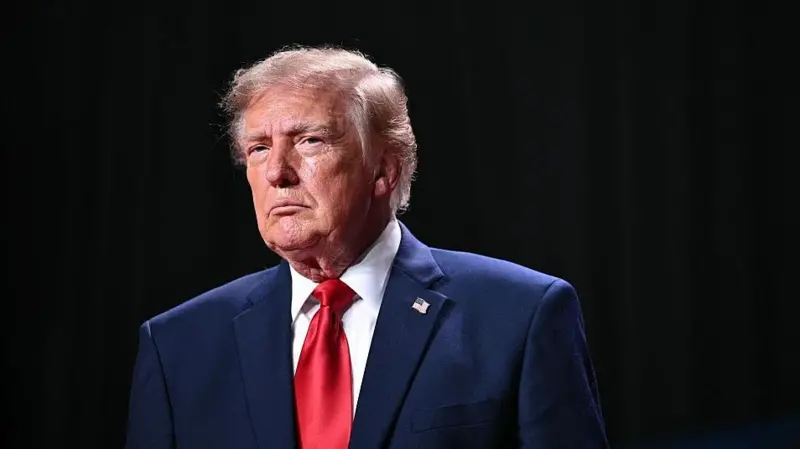
Trump announced on 9 October that Russia would immediately release 300,000 tonnes of diesel, followed by a further 500,000 tonnes in November and another one million tonnes afterwards.
Writing on Truth Social, Trump said diesel prices in the United States and worldwide would fall rapidly, predicting they would come down in “record numbers”.
Shortly after the announcement, the US Treasury formally issued a temporary licence allowing Russian diesel to enter the market.
Kirill Dmitriev, an envoy for Putin, welcomed the agreement on social media, saying: “Russia-US co-operation on diesel and energy will benefit the world.”
Rising fuel prices put pressure on the White House
The announcement comes as rising fuel costs put pressure on the Trump administration and Republicans ahead of the US midterm elections.
Diesel prices in the United States have risen sharply since the war with Iran began in February. According to the American Automobile Association (AAA), the average price currently stands at $6.28 per gallon, down from a record high of $6.53 at the end of September.
Trump has been exploring several measures to reduce fuel costs. Earlier this week, he said he was considering suspending the federal tax on petrol. He also announced plans to allow red-dyed diesel, normally subject to restrictions on highway use, to be used on US roads without the federal tax.
The president has also pressed G7 nations to release 100 million barrels of oil and diesel from their emergency stockpiles to help ease concerns about supply.
What could the agreement mean for global energy markets?
The proposed release of Russian diesel could provide additional supplies at a time when energy markets are facing pressure. However, the extent to which the agreement will reduce prices for consumers in the United States and elsewhere remains uncertain.
The arrangement also highlights the continuing role of US-Russian relations in global energy policy, despite wider tensions between the two countries.
For motorists, hauliers and businesses dependent on diesel, any sustained reduction in wholesale prices could offer some relief. The eventual impact will depend on how much fuel reaches the market, how quickly it is distributed and how prices respond.
The key question now is whether the additional Russian supplies will translate into lower prices at the pump — and how quickly consumers will see the benefits.



Comments