Mark Drakeford Questions Whether Wales Office Still Has a Role

Former First Minister Mark Drakeford has called for renewed consideration of abolishing the UK Government’s Wales Office, arguing that the time may have come to rethink the department’s purpose more than 25 years after Welsh devolution. However, Labour MP Ruth Jones has rejected the proposal as “foolish”, insisting the office remains important in representing Welsh interests at Westminster.
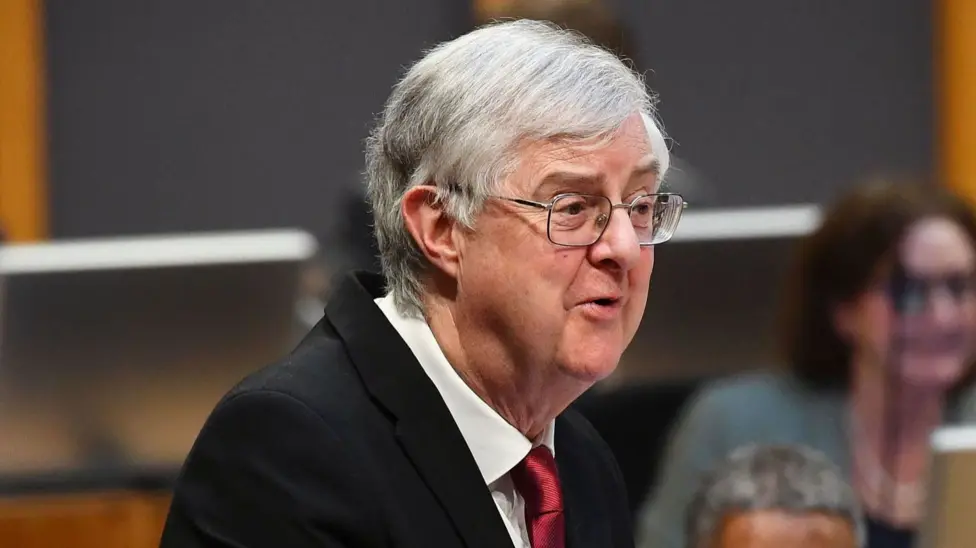
Drakeford calls for debate over Wales Office
Mark Drakeford, who served as Welsh First Minister from December 2018 until March 2024, said it was time to consider whether the Wales Office should continue to exist.
Speaking on S4C’s Y Byd yn ei Le, Drakeford was asked whether he would support abolishing the department.
He replied: “Yes, I think the time has come for us to think about that.”
Drakeford added that the idea was not new, noting that former UK Labour Prime Minister Tony Blair had also considered the future of the department. He said the issue had been discussed in Westminster for more than a decade.
How devolution changed the department
The post of Secretary of State for Wales was created by Harold Wilson’s Labour government in October 1964, with the Welsh Office opening the following year.
However, the introduction of devolution in 1999 fundamentally changed its responsibilities.
Powers covering areas including health, education, agriculture, the environment and transport were transferred to the newly established Welsh Assembly, now known as the Senedd.
The remaining UK Government department became known as the Wales Office, with its role increasingly focused on relations between Westminster and Wales.
Since devolution began, successive governments have periodically considered whether the Wales Office’s remaining responsibilities could be incorporated into a wider department covering Wales, Scotland and Northern Ireland.
Ruth Jones defends the Wales Office
Labour MP Ruth Jones has strongly opposed the suggestion that the department should be abolished.
Speaking on BBC Radio Wales Breakfast, Jones said she had great respect for Drakeford but argued that elected politicians should be allowed to carry out their responsibilities.
She said Welsh Secretary Stephen Kinnock was the only representative from Wales sitting at the UK Cabinet table and was responsible for representing Welsh interests within the UK Government.
Jones described abolishing the Wales Office as “foolish”, arguing that the department continued to provide an important voice for Wales in Westminster.
Her comments highlight a continuing disagreement over whether the office is necessary to represent Welsh interests or whether its remaining responsibilities could be carried out through other government arrangements.
Debate over Wales’s voice at Westminster
The future of the Wales Office has remained a subject of political discussion since devolution.
Earlier this year, former First Minister Eluned Morgan argued that there was still a role for the Welsh Secretary, but said the position should act as “the voice of Wales at the cabinet table” rather than “the UK government’s voice in Wales”.
The distinction reflects a broader question about how Wales should be represented within the UK Government, particularly as more domestic responsibilities are exercised by the Senedd.
Any proposal to abolish the Wales Office would therefore raise questions about how communication, cooperation and representation between the two governments should operate.
The Daily Round-Up says
Mark Drakeford’s comments have reopened an important constitutional question: what should the Wales Office do in a country where many domestic policy responsibilities have been devolved to the Senedd?
Supporters of retaining the department argue that Wales needs a dedicated representative at the UK Cabinet table. Those questioning its future may ask whether its remaining functions could be delivered through a different structure.
The debate should focus on practical outcomes rather than simply whether a department has existed for decades. The key issues are whether Welsh interests are effectively represented in UK Government decisions, whether relations between Cardiff Bay and Westminster work well, and whether the current arrangements provide clear accountability.
There is no indication in these comments alone that abolition is imminent. However, Drakeford’s intervention ensures that the future purpose and effectiveness of the Wales Office remain part of the wider debate about devolution and Wales’s place within the United Kingdom.
Comments