ADHD and Autism Are Not the Problem — A System That Fails to Support People Is

The debate surrounding ADHD, autism and mental health has once again come into the spotlight following an official review in England warning of a potential risk of over-diagnosis. But as we consider the findings, we must be careful not to lose sight of the people behind the statistics.
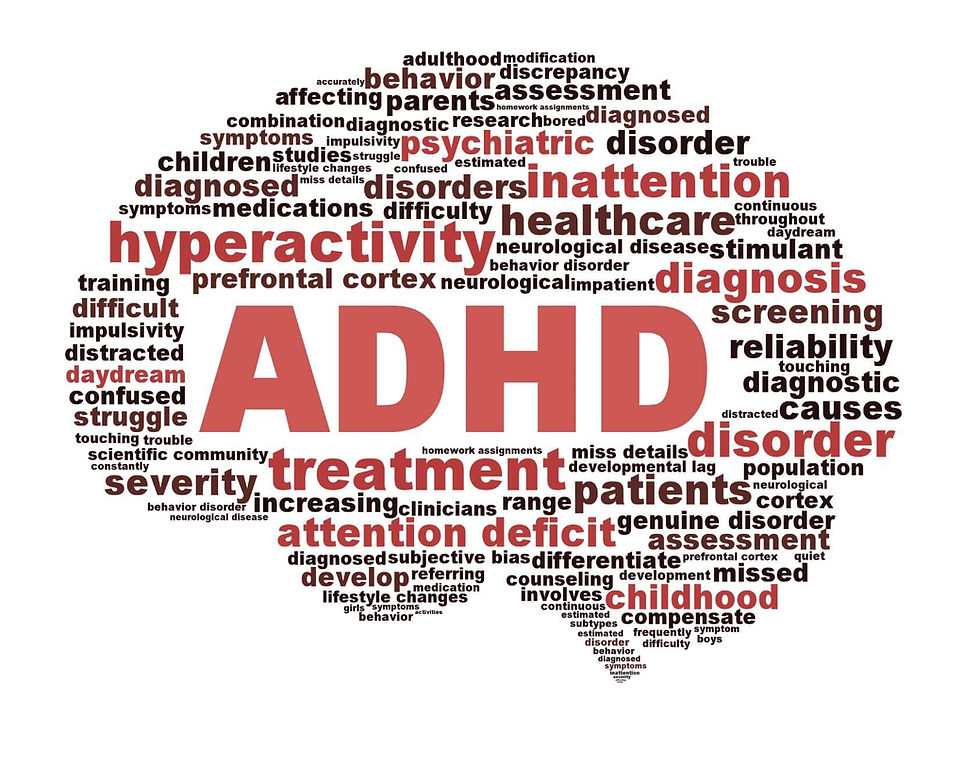
There is a genuine and important question about whether some people are being given diagnoses without sufficiently thorough assessments. However, there is an equally important question: are we at risk of allowing concerns about over-diagnosis to overshadow the thousands of people who have spent years waiting for answers, understanding and support?
At The Daily Round-Up, we believe this debate must be approached with care, compassion and a clear understanding that a diagnosis is not a trend, a label or a shortcut. For many people, it is the beginning of understanding themselves.
More diagnoses do not automatically mean more conditions
The review, chaired by Professor Peter Fonagy, highlights a substantial increase in the number of people diagnosed with ADHD and autism. However, it does not conclude that the underlying prevalence of these neurodevelopmental conditions has risen at the same rate.
Instead, greater public awareness, reduced stigma and the identification of people whose needs were previously overlooked have contributed to the increase in diagnoses.
The review warns that there is a risk of over-diagnosis, particularly among younger age groups, but acknowledges that the available evidence has limitations and does not establish that over-diagnosis is currently happening on a large scale.
That distinction matters.
We must be able to examine the quality of assessments and ensure diagnoses are accurate without creating an atmosphere in which people feel they must defend their condition or justify asking for help.
A proper assessment should be thorough, evidence-based and focused on the individual's developmental history and everyday experiences. Getting that right protects both the individual and the integrity of the diagnostic process.
The danger of making people wait for help
One of the most troubling aspects of this debate is the length of time many people wait for assessment.
The experiences highlighted in the reporting include young people waiting years for ADHD or autism assessments while struggling at school, at work and in their personal lives.
For some, the eventual diagnosis brings relief. It provides an explanation for difficulties they may have experienced since childhood and helps them understand why certain everyday situations can be exhausting or overwhelming.
For others, the wait means spending years believing they are lazy, difficult, inadequate or simply not trying hard enough.
That is not a position any person should have to endure unnecessarily.
We should not have a system in which somebody must wait for a formal diagnosis before receiving basic support for difficulties that are already affecting their life.
Schools, colleges, workplaces, health services and families should be able to respond to identifiable needs while an assessment is pending. A diagnosis can help determine the right support, but it should not be the only gateway to compassion, reasonable adjustments or practical assistance.
Mental health must not be confused with neurodivergence
The review also highlights a substantial rise in mental ill health, particularly among younger people.
Professor Fonagy has pointed to factors including economic uncertainty, the effects of the Covid pandemic and social media. Educational pressure, loneliness and insecure housing have also been raised as possible contributors.
Anxiety and depression can occur alongside ADHD and autism, and mental ill health can make existing difficulties more pronounced. But these conditions are not interchangeable.
Someone experiencing anxiety may struggle to concentrate, organise tasks or manage daily responsibilities. That does not automatically mean they have ADHD. Equally, an autistic person who develops anxiety should not have their underlying neurodevelopmental differences dismissed as simply a mental health problem.
Good assessment requires professionals to look at the whole person rather than focusing on one symptom in isolation.
We must also resist the temptation to treat every difficulty experienced by a young person as evidence of a disorder. Sometimes people need clinical treatment; sometimes they need practical help, stability, understanding or changes to the environment around them. Often, they need more than one of these things.
The answer is not to dismiss distress, but to understand what is causing it and respond appropriately.
Neurodivergence is not a personal failure
There is another important issue at the heart of this discussion: the way society views neurodivergent people.
For too long, individuals with ADHD and autism have been misunderstood. Some have been labelled disruptive, lazy, awkward or incapable when they were struggling with needs that others could not see.
Greater awareness has helped many people recognise those differences and seek assessment later in life. It has also enabled families, educators and employers to develop a better understanding of how different people experience the world.
We should welcome that progress while continuing to insist on high-quality assessments.
Being neurodivergent does not make somebody less intelligent, less capable or less deserving of opportunity. People have different strengths, challenges and support needs, and those differences should be understood rather than automatically treated as shortcomings.
Equally, we should not romanticise ADHD or autism or assume that every neurodivergent person experiences their condition in the same way. For some, the impact on everyday life can be profound, and appropriate support is essential.
Respect means recognising both the challenges and the individuality of the person.
Support should be based on need, not simply a diagnosis
One of the strongest messages to emerge from this debate is that support must not depend entirely on whether someone has secured a formal diagnosis.
A child struggling to communicate, a teenager experiencing overwhelming anxiety or an adult unable to manage aspects of daily life should not have to reach crisis point before somebody responds.
Early intervention can make a significant difference. That requires accessible mental health services, properly resourced schools, trained professionals and a diagnostic system capable of providing timely, reliable assessments.
It also requires investment. Reforming the system without providing the staff, funding and capacity to deliver meaningful change risks leaving people exactly where they are now: waiting, struggling and uncertain about where to turn.
The government must therefore consider both sides of the issue. Assessments need to be accurate, but people already waiting for assessment must not be abandoned. Measures intended to prevent inappropriate diagnoses must not become additional barriers for those who genuinely need help.
The review's findings relate to England, and any discussion of services in Wales must also recognise the different arrangements and responsibilities within the Welsh health and education systems.
Our editorial position: accuracy and compassion must go together
The question should not be whether we believe people are being diagnosed too easily or whether we believe everyone seeking an assessment must automatically have ADHD or autism.
Neither position offers a satisfactory answer.
Instead, we should demand a system that identifies genuine needs accurately, distinguishes neurodevelopmental conditions from mental health difficulties where necessary, and provides support before problems become overwhelming.
We should welcome scrutiny of diagnostic standards without encouraging suspicion towards people who have received a diagnosis. We should acknowledge the possibility of over-diagnosis without overlooking under-diagnosis. Above all, we should remember that behind every referral, waiting list and statistic is a person whose life may be affected by the outcome.
A diagnosis should be accurate. Support should be timely. And dignity should never depend on a piece of paper.
If this debate leads to better assessments, shorter waiting times, earlier intervention and a more compassionate understanding of neurodivergence, it will have served a valuable purpose.
But if it leaves people afraid to seek help, worried that their difficulties will not be believed, or waiting even longer for support, then we will have failed to address the real problem.
The challenge is not simply to count diagnoses. It is to build a system that understands people, recognises their needs and helps them live fuller lives.


Comments