45 Police Scotland Officers Suspended Amid Allegations of Violence Against Women and Girls

Police Scotland has confirmed that 45 serving officers are currently suspended over allegations of violence against women and girls, as the force faces renewed scrutiny following a series of convictions involving former officers. Chief Constable Jo Farrell has warned that further cases could emerge, while a major review examines whether failures in vetting allowed serious offending to go undetected.
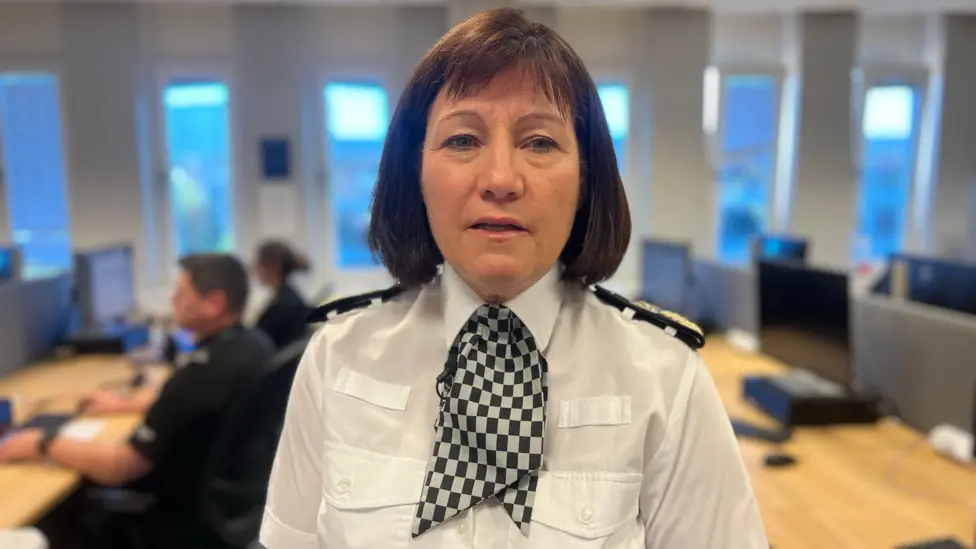
Chief constable warns of an “epidemic”
Police Scotland Chief Constable Jo Farrell described violence against women and girls in Scotland as an “epidemic”, stressing that policing is not immune to the wider problem.
Speaking to BBC Scotland News, Farrell said officers were suspended while allegations were investigated at different stages. The force subsequently clarified that 45 serving officers were suspended over allegations relating to violence against women and girls, although not all were currently subject to criminal investigations.
Farrell said she expected more officers to face sanctions over their behaviour, following several high-profile cases involving former officers convicted of sexual offences.
She also urged women to feel confident about reporting alleged offending by police officers, emphasising the need to identify wrongdoing and ensure those responsible face the law.
Review launched after serial rapist case
The announcement comes amid continuing questions about how former officer Alan Greer was able to serve in policing despite previous reports of alleged criminal behaviour against women.
A BBC Disclosure investigation revealed that Greer repeatedly attacked women and attempted to murder them over a 14-year period. He had passed vetting checks when joining the then Strathclyde Police in 2009, despite two reports of criminal behaviour against women being recorded against him.
Greer took his own life in May, aged 47.
An independent review is now examining whether opportunities to identify his offending earlier were missed and whether weaknesses in the vetting system contributed to the case. Some findings are expected to be made public.
Farrell said colleagues elsewhere in the UK were also examining the case to identify lessons that could help prevent similar failures.
New vetting rules target unsuitable officers
Police Scotland is reviewing the suitability of approximately 8,000 existing members of staff following changes to vetting regulations earlier this year.
The group includes around 6,000 police officers and 2,000 civilian employees. Farrell said between 300 and 400 officers had so far been re-vetted.
The changes, introduced following concerns about police conduct and the murder of Sarah Everard by Metropolitan Police officer Wayne Couzens, mean officers who fail the vetting process can now be removed from policing.
Farrell described the change as welcome, saying the previous arrangements did not provide the same opportunity to remove people deemed unsuitable to serve.
The force says the revised system is intended to strengthen accountability and public confidence.
Several former officers convicted of sexual offences
Greer is one of three former Scottish police officers exposed as rapists this year.
In July, Cameron Ross was jailed for 10 years after being convicted of raping two women and threatening to kill another in cases involving Stornoway and Inverness. Ross has since appealed against his conviction and sentence.
Last month, former police sergeant Campbell Petrie was found guilty of two counts of rape and other offences, including physical and sexual abuse involving two women in Glasgow. He had been suspended after being charged in December 2023 but retired from the force in 2025.
In another case, officer Jay Skivington was sentenced in October to 160 hours of unpaid work and received a five-year non-harassment order for violent offences against a woman.
The cases have intensified questions about police vetting, professional standards and how complaints against serving officers are handled.
Police watchdog and federation respond
Craig Naylor, HM Chief Inspector of Constabulary, said allegations involving police officers were taken seriously and that Police Scotland had made improvements to vetting and conduct procedures.
He said recent cases demonstrated the importance of investigating reports properly and committing appropriate resources to securing convictions.
However, David Kennedy, general secretary of the Scottish Police Federation, warned that the number of allegations could damage public confidence in policing.
Kennedy said he did not believe Police Scotland had a cultural problem with violence against women, arguing that the issue reflected a wider societal problem. He nevertheless called for stronger vetting of recruits and additional funding, including for home visits, more detailed reference interviews and psychometric testing.
He stressed that the public should be able to feel safe and trust police officers.
First minister backs the vetting process
Scottish First Minister John Swinney said tackling violence against women and girls was a “fundamental priority” and confirmed he had full confidence in Police Scotland and the renewed vetting arrangements.
He said the public needed assurance that officers were held to appropriate standards and that the statutory vetting process would help strengthen confidence in the force.
The Daily Round-Up says
The suspension of 45 serving officers over allegations of violence against women and girls raises serious questions about accountability, safeguarding and public trust. A suspension is not a finding of guilt, and each allegation must be investigated fairly. However, the scale of the issue underlines why robust vetting, effective complaint procedures and transparent investigations are essential.
The independent review into Alan Greer’s case will be particularly important in establishing whether warning signs were missed and what needs to change. Police officers must be held to the same standards of law and conduct as everyone else, while victims must feel confident that their reports will be taken seriously.
Restoring public confidence requires more than assurances: it requires effective safeguards, accountability when wrongdoing is established, and meaningful action to prevent future harm.

Comments